The Reading-in-Bed Position That's Quietly Adding to Your Tech Neck
Quick Answer: Reading in bed on a phone or tablet often involves a more extreme downward neck angle than desk-based screen use, since pillows don’t reliably support a neutral head position the way a desk chair does — a phone or tablet stand that raises the screen closer to eye level, combined with better pillow support behind the shoulders rather than just the head, meaningfully reduces this strain.
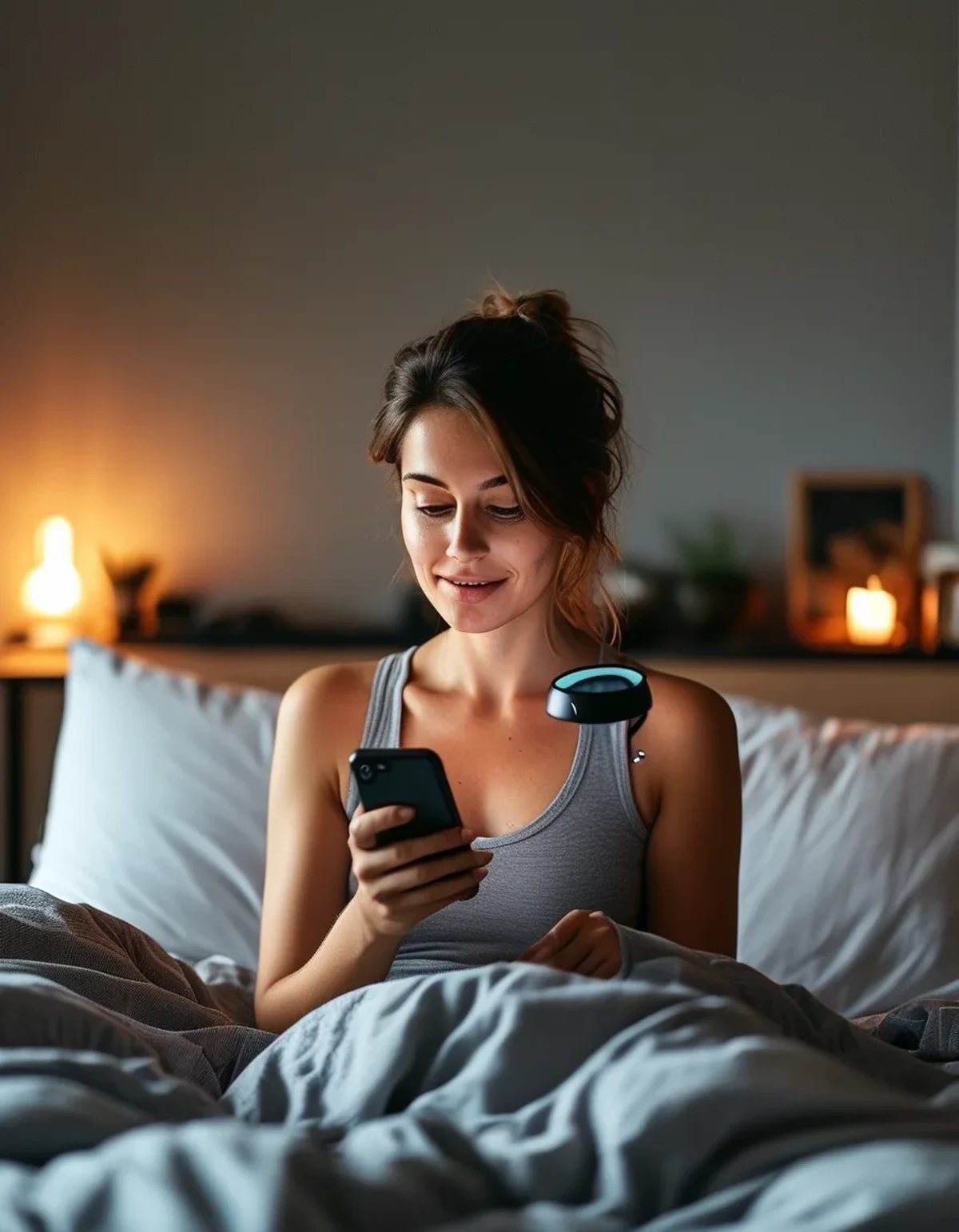
Bedtime scrolling gets treated as a low-stakes habit compared to daytime desk posture, but the neck angle involved is frequently worse, not better, than sitting upright at a desk.

Why is the neck angle in bed often worse than at a desk?
A desk chair and monitor setup, even an imperfect one, generally keeps the screen at a more vertical angle relative to the eyes than a phone or tablet held low in bed, propped against knees or a pillow. Reading in bed frequently involves looking sharply downward at a device resting near the stomach or lap, which creates a steeper, more sustained neck flexion angle than most daytime desk setups.
Does pillow choice actually affect this?
Yes, significantly. Stacking pillows to prop up the head alone, without adequate support behind the shoulders and upper back, often tilts the head forward rather than achieving a genuinely neutral, upright position — this creates a compromise position that isn’t fully reclined or fully upright, which can actually strain the neck more than either extreme.
What’s the actual fix for reading comfortably in bed?
A phone or tablet stand that holds the device at chest-to-eye level, rather than resting it in the lap, is the single most effective fix, since it removes the need to look sharply downward at all. Supporting the upper back and shoulders with pillows, not just the head, helps achieve a more genuinely upright reclining position where the neck can stay closer to neutral even while relaxed.
Myth vs Fact: Reading in Bed and Tech Neck
Myth: “Lying flat and holding a device above your face is a safer neck position.” Fact: this position strains the neck differently but not necessarily less — holding arms up for extended periods also causes its own shoulder and arm fatigue, and neck angle can still be extreme depending on exact positioning.
Myth: “A larger tablet screen means better posture since you don’t have to hold it as close.” Fact: screen size doesn’t change the angle at which it’s held — a larger device held low in the lap still requires the same downward neck angle as a phone.
Myth: “This only matters if you read in bed for hours.” Fact: even 15-20 minutes in a poor angle, done nightly as a consistent habit, contributes to cumulative strain over weeks and months.
How much does this actually matter compared to daytime desk posture?
For people who spend a meaningful amount of time reading or scrolling in bed nightly, it can be a significant contributor to overall daily neck strain, sometimes rivaling or exceeding daytime desk-related strain, specifically because the bed position often involves a steeper angle than people assume during a relaxed activity.
FAQ: Tech Neck and Reading in Bed, Answered
Are phone/tablet stands for bed actually worth buying, or is this overkill for a relaxing habit?
Worth it for anyone who reads in bed regularly — it’s a low-cost fix for a habit that, done nightly over months, contributes measurably to cumulative neck strain.
Does switching to audiobooks or podcasts instead of reading avoid this issue entirely?
Yes, effectively — audio content removes the need to hold or look at a screen at all, which is a complete workaround rather than a posture fix.
Is it better to just stop reading in bed altogether?
Not necessary if positioning is corrected — the habit itself isn’t the problem, the sustained poor angle is, and that’s directly fixable with a stand and better pillow support.
TL;DR:
- Reading in bed often involves a steeper, more sustained neck angle than typical desk-based screen use
- Propping pillows under the head alone without shoulder support creates a strained, forward-tilted compromise position
- A phone or tablet stand at chest-to-eye level is the most effective single fix
- Nightly bedtime reading, even in short sessions, can meaningfully add to overall cumulative neck strain
A relaxing bedtime habit doesn’t have to come at the cost of your neck — the fix is almost entirely about where the screen sits relative to your eyes.
Keep Reading
This article is for general informational purposes only and is not medical advice. Always consult a qualified health professional for guidance specific to you.