The Ring Light Setup That's Quietly Making Your Tech Neck Worse
Quick Answer: Ring lights are usually positioned for even, flattering lighting, not correct posture, which means the ideal light angle often sits lower or closer than the ideal camera angle — training you to lean toward it and worsening tech neck over long video calls or content sessions.
You finally nailed the lighting setup that makes video calls look good. What nobody mentions is that the same setup can be quietly wrecking your neck for hours a day.
Why does a ring light setup conflict with good neck posture?
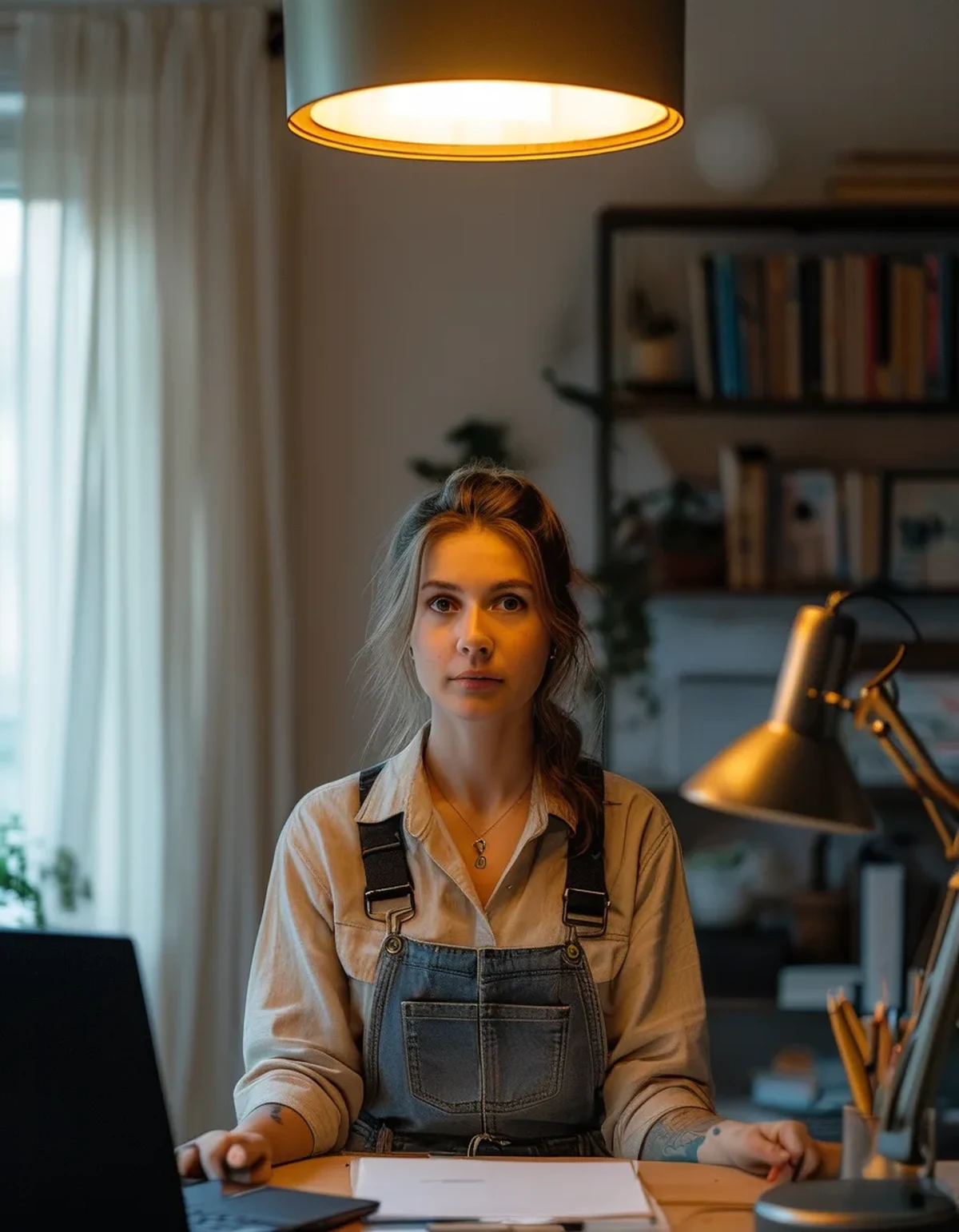
Ring lights are typically positioned at or slightly below eye level and relatively close to the face to create even, shadow-free lighting — which is exactly the opposite of the ergonomic recommendation for camera and screen height (top of screen at or slightly above eye level). Many people end up unconsciously leaning forward and down toward the light and camera combo to stay well-lit and centered in frame.
Over a full day of video calls or recording, that small forward-down lean compounds into the same forward head posture that causes tech neck from any screen, but with an added incentive (looking good on camera) that can make people less likely to correct it.
How do you fix the setup without sacrificing lighting quality?
Raising both the ring light and camera to eye level together, rather than treating them as separate height decisions, keeps the flattering light angle while removing the incentive to lean down. Most ring light stands have enough height adjustment to get there — it just requires deliberately setting it higher than the ‘looks fine on the small stand it came with’ default.
If the light needs to sit lower than eye level for the specific look you want, positioning the camera separately at eye level, even if it’s not centered inside the ring light, decouples the two concerns and protects posture without compromising the lighting setup entirely.
Does this apply to phone-based setups too?
Yes, and arguably more — phone tripods with a small ring light attachment are frequently used near desk or lap height, which is considerably lower than eye level and creates a more severe forward-down neck angle than a proper desk-mounted setup. This is common for people recording short-form video content over long sessions.
A simple fix is using a taller tripod or stacking books/a stand underneath to bring the whole phone-and-light rig up to eye level, even for casual or quick recording sessions — the cumulative time spent in a bad angle adds up faster than people expect.
What Nobody Tells You About Camera Setup and Neck Strain
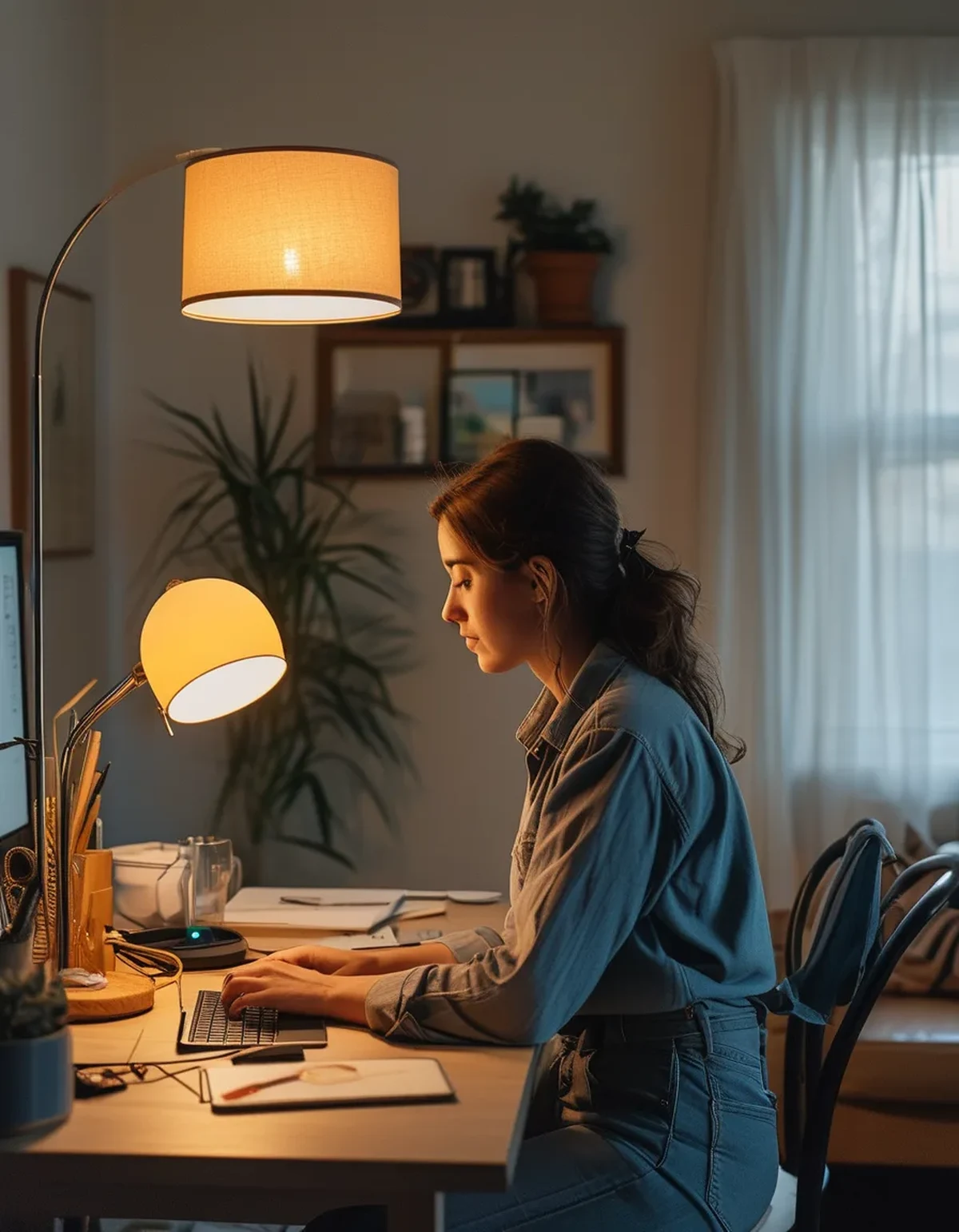
Most posture advice focuses on laptop and monitor height, but rarely mentions that a separate camera and light setup introduces its own posture variable, distinct from your regular screen habits. You can have a perfectly ergonomic monitor setup and still develop neck strain purely from how your camera and light are positioned during calls.
It’s also rarely mentioned that looking at your own video preview (rather than the camera or the other person) adds another downward angle on top of the light and camera position — minimizing or moving your self-view window higher on screen reduces this additional strain source.
How much does this actually matter if it’s just a few calls a day?
For occasional short calls, the effect is minor, but for people on video calls multiple hours a day (increasingly common in remote and hybrid roles) or content creators recording for extended sessions, the cumulative forward-lean time can rival or exceed regular desktop screen time as a tech neck contributor. It’s worth the setup fix specifically if video is a significant part of your daily screen time, not just an occasional meeting.
FAQ: Ring Light and Neck Strain Questions, Answered
Does camera height matter more than light height for posture?
Camera height matters most directly for posture since that’s what determines where you’re actually looking, but light position matters because it influences where people unconsciously position their face relative to both.
Is a ring light worse than natural window lighting for this issue?
Not inherently — natural light doesn’t require gear that needs height positioning, so it sidesteps this specific problem, but it’s less controllable for consistent quality across different times of day.
Will raising my whole setup ruin the flattering angle I already like?
Usually not significantly — most people find the ideal flattering angle and the ergonomic eye-level position are close enough that a small compromise works for both once you actually test it.
TL;DR:
- Ring lights are positioned for flattering light, not posture, creating an incentive to lean down toward the camera
- Raise light and camera together to eye level rather than treating them as separate decisions
- Phone-based ring light rigs are often lower than desk setups and need the same eye-level fix
- Video-heavy schedules make this setup issue add up faster than people expect
Good lighting and good posture don’t have to compete — they just need to be set up as one decision instead of two separate ones.
Keep Reading
This article is for general informational purposes only and is not medical advice. Always consult a qualified health professional for guidance specific to you.